

A home warranty sounds like a no-brainer. Pay one flat fee a year, and when the water heater dies or the A/C quits, somebody else handles the fix. For a house you live in, that pitch can make sense.
For a rental? It usually backfires.
We've managed enough properties across Northern Virginia to see how this plays out, and we steer most owners away from home warranties on their rentals. Here's why.
The real problem: you lose control of timing
When something breaks in a rental, your tenant needs it fixed fast. And in Virginia, the law often requires a prompt response to maintenance issues—a broken A/C in July or no hot water in January isn't something you can sit on.
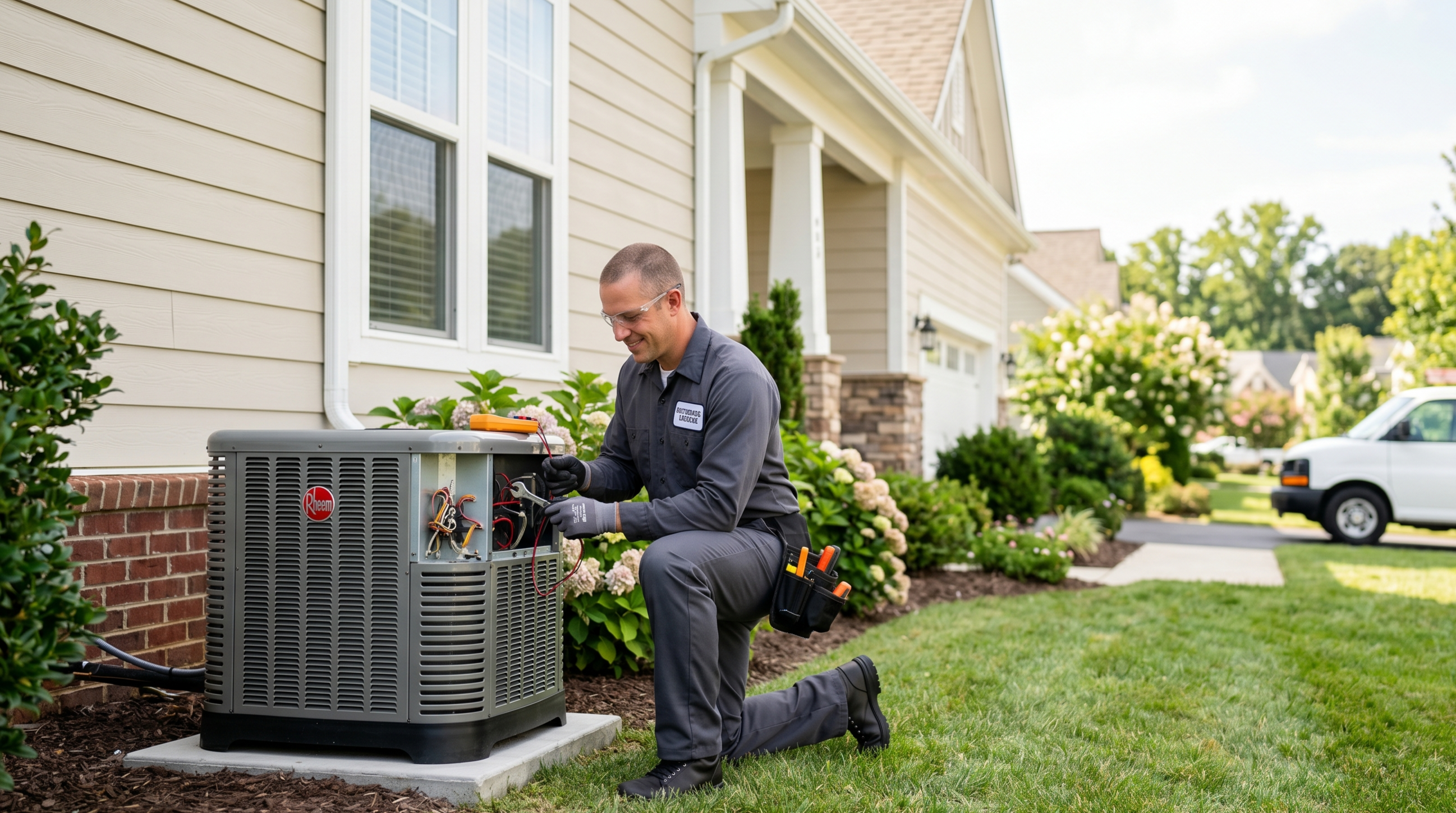
A home warranty takes the speed dial out of your hands. You can't just call the plumber or HVAC tech you trust. You file a claim, wait for the warranty company to assign one of their contractors, and then wait again for that contractor to squeeze you into their schedule.
We've watched that process drag on for days. Sometimes weeks.
That delay frustrates your tenant, can put you on the wrong side of habitability requirements, and makes you look like a landlord who doesn't respond. None of that is worth saving a few bucks on a service call.
The contractor is a gamble
Warranty companies tend to hire whoever's cheapest in their network. Not the most reliable. Not the most skilled. The cheapest.
We spend real effort building relationships with vendors we trust—people who show up when they say they will, do good work, and treat your property like it matters. A home warranty throws all of that out and hands your rental to someone whose first loyalty is to the warranty company's bottom line.
Your property and your tenant come second. That's not a guess. That's how the model works.
Claims get denied more than you'd think
Home warranty contracts are built on fine print. Coverage gets denied all the time for reasons like "improper maintenance," "pre-existing conditions," or "code violations"—even when the thing simply wore out from normal use.
And when a claim gets denied, you're paying out of pocket anyway. Except now you've also lost time and maybe a service call fee on top of it. You paid a premium all year for coverage that vanished the moment you actually needed it.
Even approved claims don't cover much
Say the claim goes through. Most warranties cap what they'll pay toward a repair or replacement.
If your aging HVAC system needs to be replaced, the warranty might cover a slice of it while you eat the rest. A lot of policies also won't touch code-required upgrades, permits, or the labor to bring an old installation up to today's standards.
Those are real costs on a rental property. And they're exactly the costs the warranty quietly leaves you holding.
It slows down good management
Part of what we do is handle maintenance so smoothly you barely have to think about it. A home warranty jams a third party right into the middle of that—more paperwork, more phone calls, more claim approvals, more scheduling delays.
It slows us down. And it leaves your tenant waiting longer than they should.
What we recommend instead
For most rental owners, the smarter move is simple: keep a reserve fund for repairs and replacements.
You stay in full control of who does the work and how fast it happens. You skip paying premiums for coverage that may never come through. And you get to lean on the trusted vendors we already work with.
Over the long run, it's almost always cheaper—and a whole lot less stressful for you and your tenant.
Frequently asked questions about home warranties on rentals
Are home warranties worth it for rental properties? For most rentals, no. The delays in getting a contractor assigned, the gamble on quality, the frequent claim denials, and the payout caps usually outweigh the flat annual fee. A reserve fund gives you faster repairs and full control for less hassle over time.
Does a home warranty cover tenant-caused damage? Generally no. Home warranties cover normal wear and tear on systems and appliances—not damage caused by misuse or accidents. Tenant-caused damage is typically your responsibility to pursue through the security deposit or the tenant directly, which is a separate process from any warranty.
Will a home warranty meet Virginia's repair-timeline requirements? Often not on its own. Virginia law expects landlords to respond promptly to maintenance issues, and the warranty claim-and-assignment process can stretch out for days or weeks. That gap is one of the biggest reasons we steer rental owners away from warranties.
What's the difference between a home warranty and a reserve fund? A home warranty is an annual premium paid to a third party that decides whether and how much to cover. A reserve fund is money you set aside yourself for repairs and replacements. With a reserve fund, you choose the vendor, control the timing, and keep whatever you don't spend.
Can I cancel a home warranty if I already have one? Usually yes—most are annual contracts you can decline to renew, and some allow mid-term cancellation. If we manage your property, we're happy to review the specifics and help you decide whether it's worth keeping.
Already have a warranty? Let's talk it through
If you've got a home warranty on a property we manage, or you're weighing whether to buy one, we're happy to look at your specific situation and walk through the numbers with you. No pitch—just a straight answer about what makes sense for your property.
Richey Property Management has helped Northern Virginia landlords—including out-of-state owners, Foreign Service Officers, and military families—manage rental properties for over 20 years. Have a question about your rental? Reach out anytime.