

Quick Answer: When a safety-related repair is deferred to save money, the short-term savings almost always come back to cost you more - through insurance claims, lawsuits, code violations, or accelerated damage to the property itself. Investing in safety upgrades isn't just about protecting your tenants; it's one of the most effective ways to protect your investment and reduce your liability as a landlord.
We understand the instinct. When a repair estimate lands in your inbox, the first question is almost always "Do I really need to do this right now?" And when the item in question is a loose stair railing, an aging smoke detector, a cracked walkway, or a water heater that's showing its age, it's tempting to wait. Nothing has gone wrong yet, so why spend the money?
Here's the reframe we want to share with every owner we work with: the repairs easiest to postpone are often the ones tied most directly to your liability. And liability is the expensive part.
The math most owners don't see
A $200 handrail repair feels like a discretionary expense... until a tenant or their guest falls on those stairs. Now you're potentially looking at a medical claim, a lawsuit, higher insurance premiums, and the very real possibility that your insurer denies coverage because the hazard was known and left unaddressed. The $200 you saved becomes the least relevant number in the conversation.
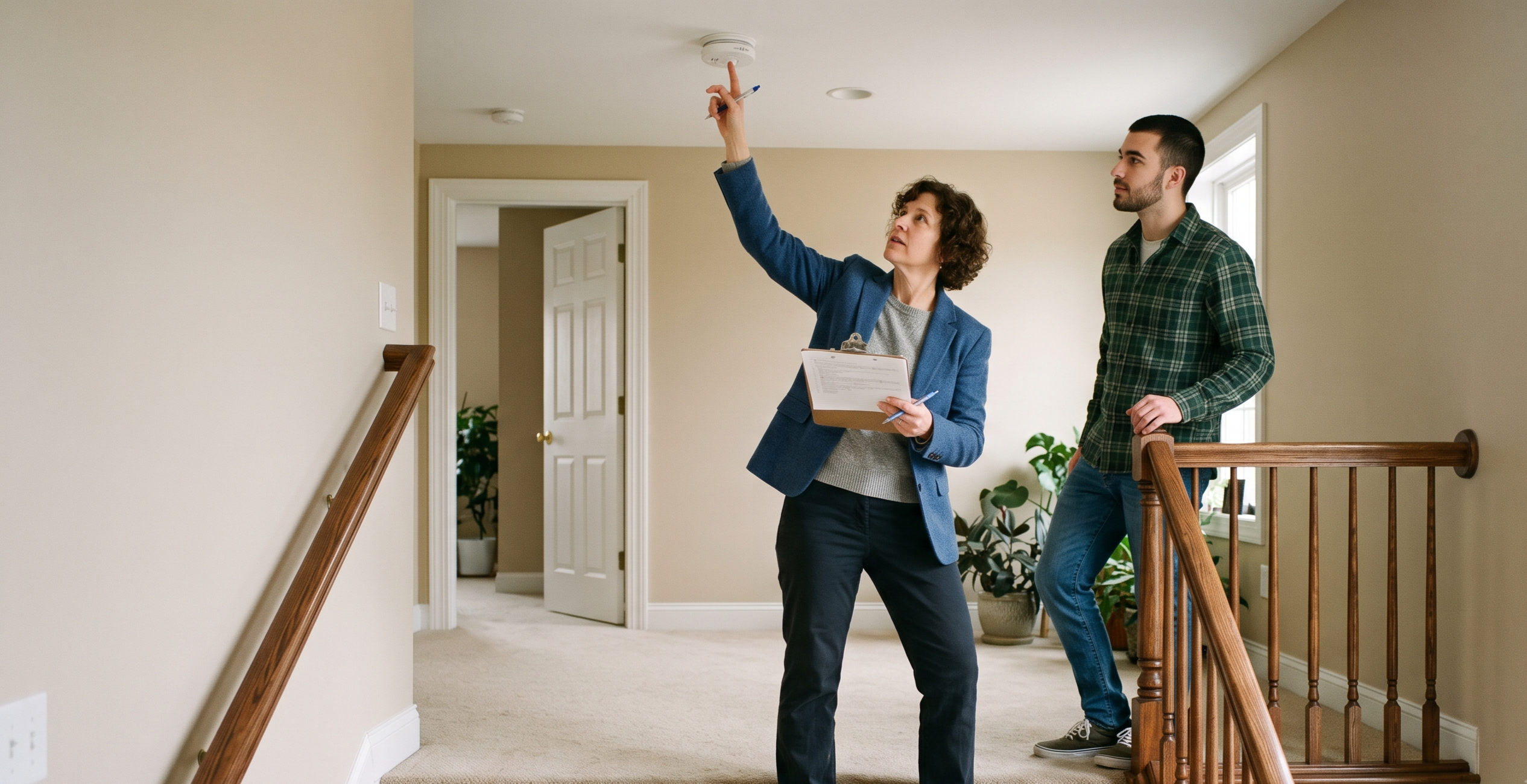
The same logic applies across the board. A smoke or carbon monoxide detector that isn't functioning isn't just a code issue; it's the difference between a manageable incident and a catastrophic one. A slow roof leak you defer becomes structural rot, mold remediation, and displaced tenants. A worn exterior step becomes a personal injury claim. In nearly every case, the cost of prevention is a fraction of the cost of the consequence.
Safety repairs protect your property, not just your tenants
It's worth separating out a point that gets lost: many safety-related repairs are simultaneously property-protection repairs. Fixing that leak protects the framing. Servicing the HVAC protects the system from a far more expensive failure. Addressing drainage or grading protects your foundation. When you invest in safety, you're very often investing in the long-term value and condition of the asset at the same time. These aren't two separate budgets competing for your dollars — they're the same dollar working twice.
Documented safety is a legal shield
There's one more benefit that owners rarely think about until they need it. When safety issues are addressed proactively and the inspection is documented, the repair, and the date, you build a record that demonstrates you acted as a responsible landlord. If a claim ever arises, that documentation is one of your strongest defenses. The owner who fixed the problem promptly and kept the paperwork is in a fundamentally different legal position than the owner who was warned and waited.
The bottom line
Deferring a safety repair rarely saves money; it defers and enlarges the cost, and it transfers risk squarely onto you. The owners who consistently protect their bottom line are the ones who treat safety-related repairs as non-negotiable — not because they're cautious by nature, but because they've done the math.
When we flag a safety item on one of your properties, it's never a suggestion to spend for the sake of spending. It's a recommendation to spend a little now so you don't spend a great deal and take on real liability later. If you ever want to talk through a specific repair and whether it's worth doing, that's exactly the kind of conversation we're here for.
Frequently Asked Questions
Are landlords legally responsible for injuries that happen on a rental property? Landlords can be held liable for injuries caused by hazards they knew about, or reasonably should have known about, and failed to correct. Addressing safety issues promptly and keeping documentation is one of the best ways to limit that exposure.
What safety repairs should landlords prioritize? Working smoke and carbon monoxide detectors, secure stair railings and steps, sound flooring and walkways, functioning locks, and prompt attention to water leaks and electrical issues tend to carry the highest combination of tenant-safety and liability importance.
Will my insurance cover a claim if I knew about the hazard? Not necessarily. Insurers can deny or reduce coverage when a known hazard was left unaddressed, which is a major reason deferring safety repairs is risky. Correcting issues promptly helps keep your coverage intact.
Do safety repairs really save money in the long run? Frequently, yes. Many safety repairs also protect the property itself — a fixed leak prevents structural damage, serviced systems avoid larger failures — so the same spending reduces both liability and future repair costs.