

Renting out a home on a standard homeowner's policy leaves a dangerous gap, because that policy generally isn't designed for a tenant-occupied property and a major claim may be denied. Northern Virginia landlords need landlord insurance for liability, loss of rental income, and rental property damage—and should require tenants to carry renters insurance.
This is the pain point nobody feels—right up until the day they feel all of it at once. Most landlords don't think about insurance, assume they're covered, and only discover the gap after a fire, a flood, or a lawsuit. By then it's the most expensive lesson they'll ever learn.
The Mistake: Renting on a Homeowner's Policy
Here's the trap. You buy a home, you get a homeowner's policy, and later you move out and rent it. The house is now a rental but the policy still thinks it's your residence.
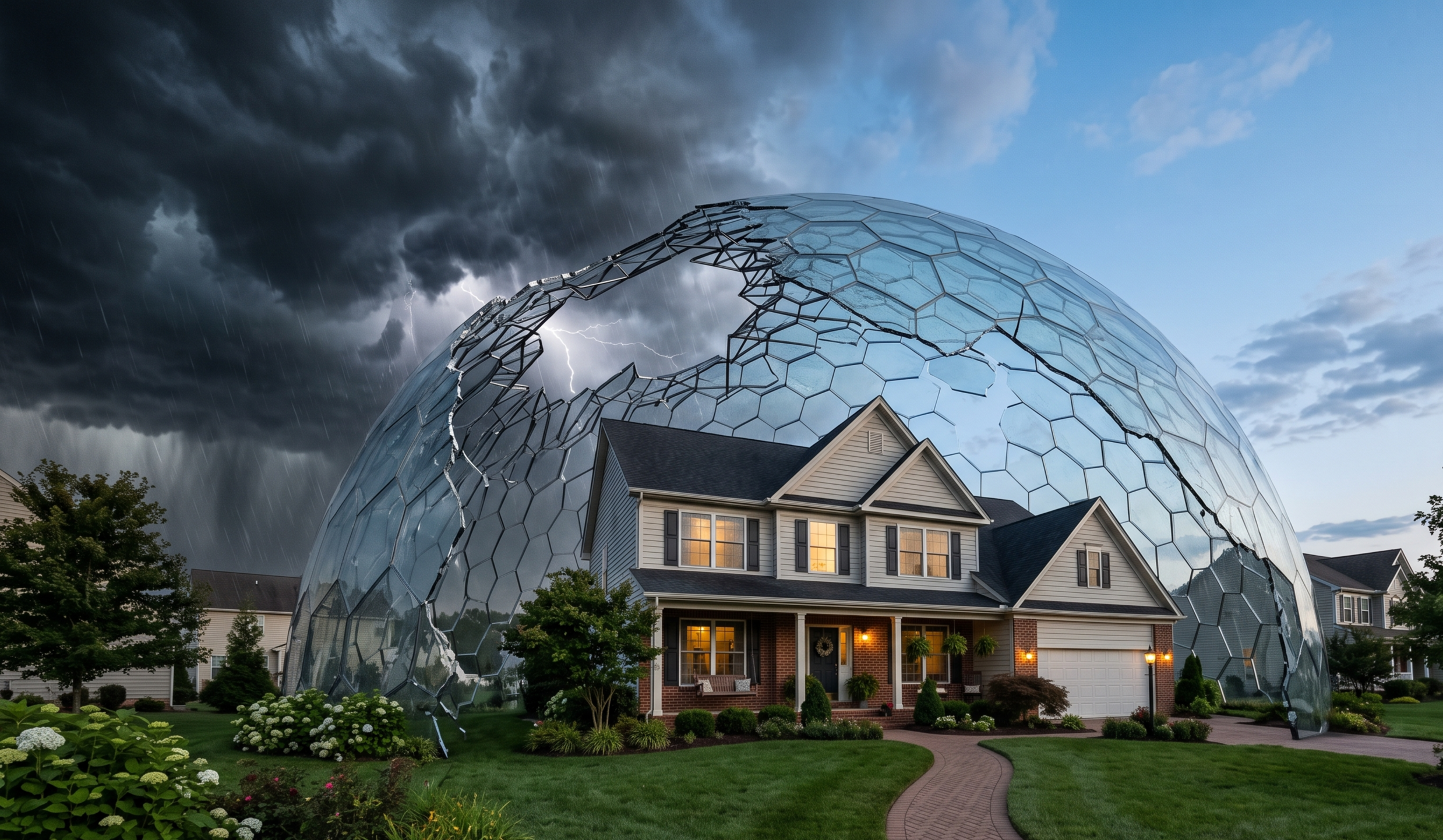
A standard homeowner's policy generally is not designed to cover a tenant-occupied property. File a major claim and the insurer may deny it because the home wasn't owner-occupied. You've been paying premiums for coverage that doesn't apply to how the property is actually used.
What Landlord Insurance Covers That a Homeowner's Policy May Not
Landlord liability. If a tenant or guest is injured and sues, this is what stands between you and your personal assets. This alone is the reason to have it.
Loss of rental income. If the property becomes uninhabitable after a covered event, this replaces the rent while it's repaired.
Property damage as a rental. Coverage built around the realities of a tenant-occupied home.
The Other Gaps to Close
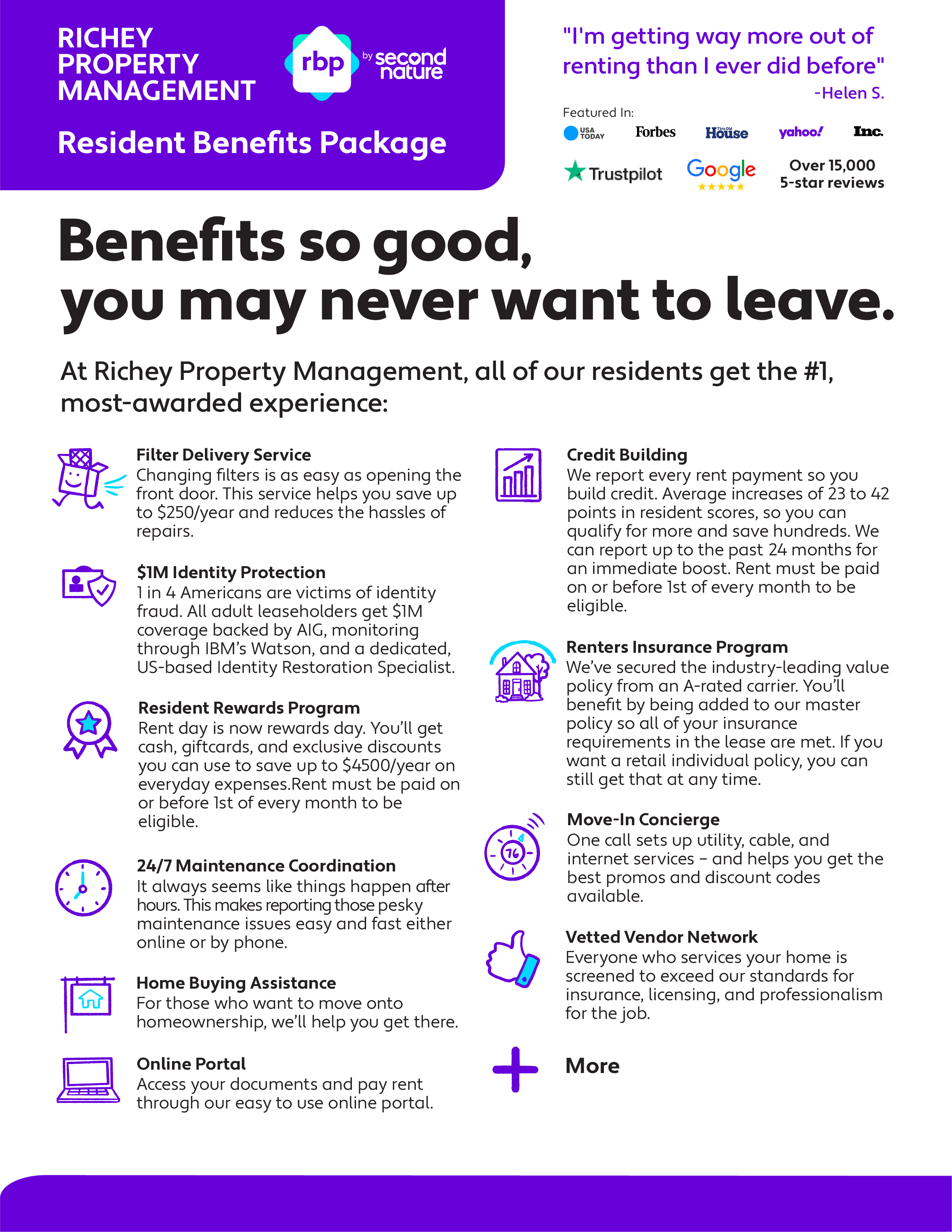
Require renters insurance. Your policy covers your building; the tenant's belongings and liability are theirs. Requiring renters insurance keeps their claims off your policy. This is something your lease should spell out clearly.
Check your liability limits. In a market with NoVA's property values, a low liability limit is a false economy. Ask whether an umbrella policy makes sense.
Tell your insurer the truth. If the home is a rental, it must be insured as one. "Saving money" by not updating your policy is how claims get denied.
The Bottom Line
Insurance is the one landlord cost that does nothing until the day it does everything. The gap between a homeowner's policy and proper landlord coverage is exactly where owners get financially wiped out.
Not sure your coverage matches how your property is actually used? It's worth a five-minute check. We're happy to point you toward what to ask—just reach out.
Note: we aren't licensed insurance agents, so please confirm specifics with your trusted insurance agent. If you need any referrals, we'll happily provide them.