

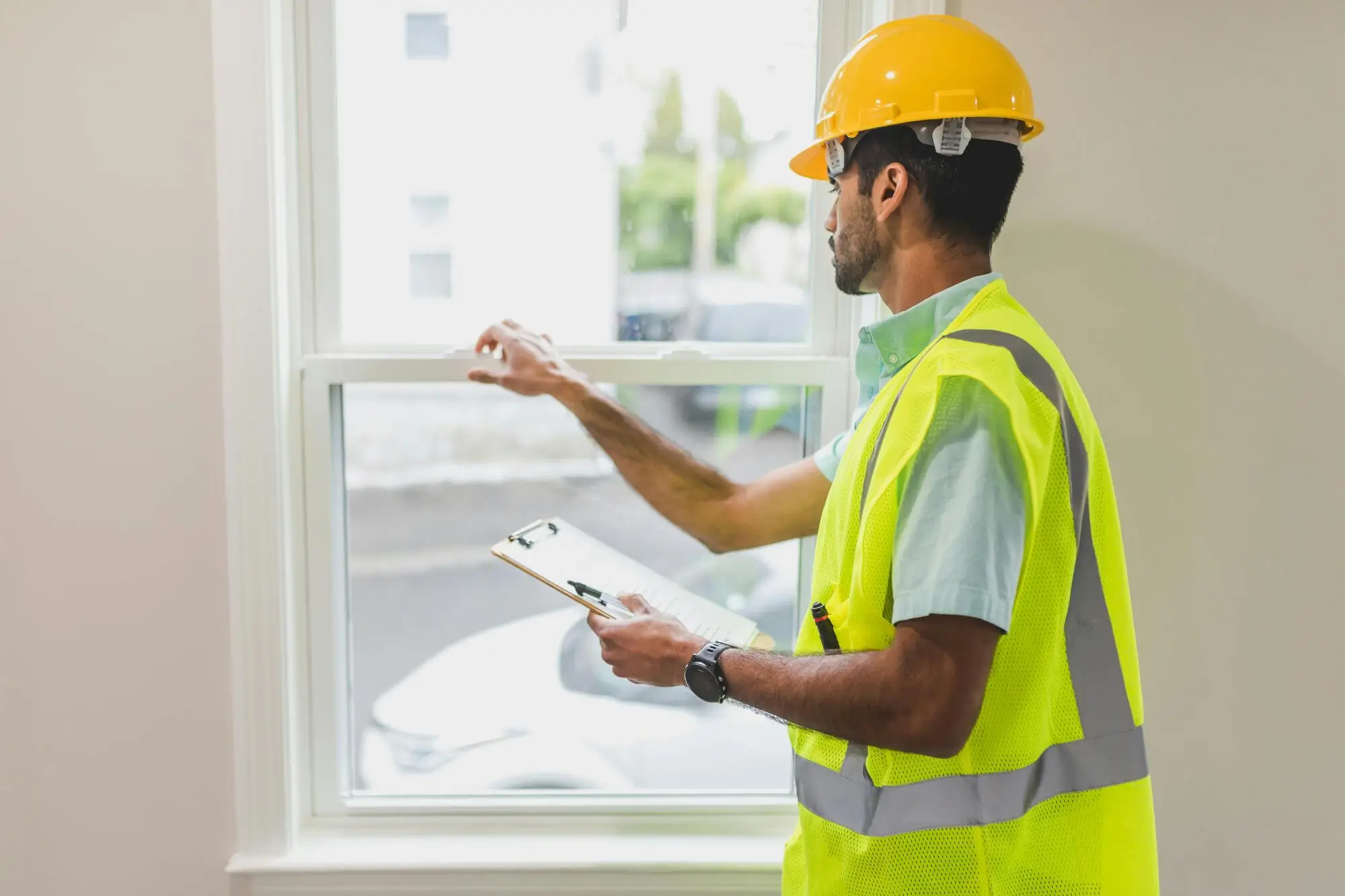
Rental property inspection helps Northern Virginia property owners identify maintenance issues early, protect property value, and ensure tenants are following lease agreements.
How can Northern Virginia rental property owners catch expensive maintenance problems before they spiral out of control?
Many issues, from hidden leaks to unauthorized tenant damage, often go unnoticed until repairs become far more costly than expected.
Regular rental property inspections help owners stay ahead of these problems while protecting the long-term condition of their investments. Routine inspections can also help landlords verify lease compliance, identify safety concerns, and maintain stronger communication with tenants throughout the lease term.
For property owners looking to reduce unexpected repair costs and protect rental income, understanding the value of property inspections is essential.
Why Are Rental Property Inspections Important for Owners in Northern Virginia?
Rental property inspection enables owners to identify problems before they become expensive repairs. Issues like hidden leaks, mold growth, damaged flooring, or HVAC problems can worsen quickly when they go unnoticed for long periods.
Preventive maintenance is one of the biggest benefits of regular inspections because it allows landlords to address smaller concerns before they affect the overall condition of the property. Inspections can also help confirm that tenants are following lease terms and properly maintaining the rental space.
In a competitive market like Northern Virginia, protecting property condition is important for maintaining rental value and attracting future tenants. Regular inspections also create better documentation of the property's condition, which can be useful when resolving disputes related to damage or maintenance responsibilities.
What Types of Rental Property Inspections Should Landlords Conduct?
Different types of inspections serve different purposes throughout a lease. Conducting inspections at key stages can help landlords track property condition, document changes, and address issues before they become more serious.
Common rental property inspections include:
- Move-in inspections to document the property's condition before occupancy
- Routine inspections to identify maintenance concerns during the lease
- Drive-by inspections to monitor exterior upkeep and visible issues
- Move-out inspections to assess damage and compare property condition
- Maintenance inspections related to repairs or reported problems
Consistent inspections can help NoVA landlords stay informed about property conditions while creating clearer records for both owners and tenants.
How Often Should Rental Properties Be Inspected?
Inspection frequency often depends on the property's condition, lease terms, and how long tenants have occupied the rental. Some landlords schedule inspections every six months, while others prefer annual inspections for long-term tenants with strong rental histories.
Consistent inspection schedules can help landlords identify maintenance issues before they become more expensive to repair. Seasonal inspections may also be useful in Northern Virginia, especially during colder months when plumbing, roofing, and HVAC systems can experience additional strain.
At the same time, landlords should balance routine oversight with tenant privacy. Providing proper notice and keeping inspections professional can help maintain positive landlord-tenant relationships while protecting the property.
What Should Landlords Look for During Inspections?
Rental property inspections should focus on identifying maintenance concerns, safety issues, and signs of lease violations. Even small problems can become expensive if they are ignored for too long.
Landlords often check for:
- Water leaks or moisture damage
- Plumbing or HVAC problems
- Damage to walls, flooring, or appliances
- Smoke detector functionality
- Unauthorized pets or occupants
- General cleanliness and property upkeep
Detailed inspection notes and photos can help document the property's condition and provide useful records if disputes arise later. Staying thorough during inspections can also help landlords schedule repairs before problems affect tenant safety or property value.
How to Handle Tenant Communication During Inspections
Clear communication can make rental property inspections smoother for both landlords and tenants. Providing advance notice and explaining the purpose of the inspection helps tenants feel informed rather than surprised or uncomfortable.
Professional communication also encourages better cooperation during the inspection process. Landlords should keep conversations respectful, answer tenant questions clearly, and avoid creating the impression that inspections are meant to invade privacy.
After the inspection, it can help to follow up with tenants about any maintenance concerns or repairs that need attention. Keeping written records, photos, and inspection notes may also reduce misunderstandings if disputes arise later.
Common Rental Property Inspection Mistakes to Avoid
One of the biggest mistakes landlords make is waiting too long between inspections. Small problems like slow leaks or minor damage can become much more expensive when they are not addressed early.
Another common issue is poor documentation. Without photos, notes, or inspection checklists, it may become difficult to prove when damage occurred or whether lease violations existed. Thorough documentation can help protect both landlords and tenants during disputes.
Some property owners also overlook tenant-reported concerns or fail to follow notice requirements before entering the property. Consistent communication and organized inspection practices can help landlords avoid unnecessary maintenance or legal problems.
FAQs
Should Landlords Use Digital Inspection Checklists?
Yes. Digital checklists can help landlords stay organized, document property conditions more accurately, and store inspection records more efficiently over time.
Can Rental Property Inspections Help With Insurance Claims?
In some cases, inspection records and photos may help support insurance claims by showing the condition of the property before damage occurred.
Are Seasonal Inspections Important for Rental Properties?
Seasonal inspections can help landlords identify weather-related issues such as roof damage, drainage problems, or HVAC strain before they become larger repairs.
What Happens If Tenants Refuse to Report Maintenance Problems?
Unreported maintenance issues can worsen over time and lead to more expensive repairs. Encouraging open communication and conducting regular inspections can help landlords identify hidden problems earlier.
Should Landlords Hire Professional Property Inspectors?
Some landlords hire professional inspectors for detailed evaluations, especially when managing older properties or addressing recurring maintenance concerns. Professional inspections may help identify issues that are easier to overlook during routine walkthroughs.
Protect Your Rental Investment With Smarter Inspections
Regular rental property inspection can help Northern Virginia owners catch maintenance problems early, protect property value, and reduce the risk of costly repairs. From documenting property condition to identifying lease violations, proactive inspections play an important role in long-term property management.
Founded in 2006, Richey Property Management, LLC combines local market experience with hands-on property management to help owners protect their investments and keep properties running smoothly. We support landlords with inspections, tenant placement, maintenance coordination, and day-to-day property management throughout the rental process.
Contact our team today to learn how we can help simplify rental property management in Northern Virginia.