

Introduction
In over 20 years of managing rental properties, I've seen landlords make the same mistakes with remarkable consistency. Not because they're careless people — most of the landlords I work with are intelligent, motivated investors. But because managing rental property is genuinely complex, and there are specific failure points that catch people off guard unless they know to look for them.
I want to share the 10 most expensive mistakes I've witnessed — not to discourage you from investing, but to make sure you don't become a cautionary tale when you could be a success story.
Mistake 1: Failing to Perform Regular Property Inspections
This is, without question, the most costly and most common mistake I see.
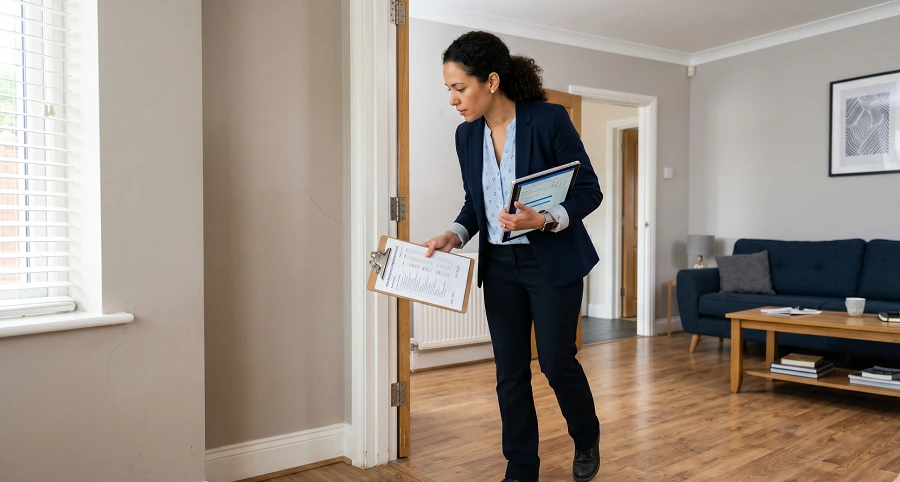
Most landlords assume that as long as rent is being paid, the property is being cared for. I cannot tell you how many times I've walked into a property — for a client who had been happily collecting rent for years — and found it in a state that required significant, expensive repairs.
Paying rent and maintaining a property are two entirely separate things. Some tenants will pay on time every month and still leave holes in the walls, let pets damage flooring, or neglect maintenance issues until they become major structural problems.
The fix: Schedule regular inspections — both move-in/move-out walkthroughs and periodic mid-tenancy checks. Document everything with photos. Catching small problems early is dramatically less expensive than discovering large ones late.
Mistake 2: Paying Too Much for the Property
Price determines profit. Pay too much for a property, and no amount of good management fully compensates for it — you simply take longer to recoup your investment and build equity.
Many new investors get caught up in the excitement of finding a property they like and end up overpaying, either because they didn't do rigorous comparative analysis or because they let competition or emotion push them past rational price limits.
The fix: Work with a Realtor who specializes in investment properties (not just residential sales). Have them run a proper pro forma analysis — projected cash flow, cap rate, cash-on-cash return, break-even timeline. Numbers, not feelings, should drive the offer.
Mistake 3: Buying in the Wrong Location
A beautiful, well-priced property in a market with low rental demand is still a bad investment. Rental success is fundamentally a function of location — demand, demographics, proximity to employment centers, schools, and amenities.
The fix: Before you buy, research the rental market in that specific area. What's the vacancy rate? What do comparable rentals charge? What's the typical tenant profile? If the data doesn't support strong rental demand, the property isn't the right investment — no matter how attractive
it looks on paper.
Mistake 4: Choosing the Wrong Financing
The financing structure of your investment significantly impacts your cash flow, your risk exposure, and your long-term returns. Investors who use the wrong loan product — or the wrong lender — can quietly erode profitability over years.
Common financing mistakes include: taking an adjustable-rate mortgage on a long-term hold property, putting too little down and accepting higher rates and fees, or failing to shop lenders and compare terms.
The fix: Work with a lender who has experience with investment properties specifically. Understand the full cost of your financing — not just the interest rate, but all fees, terms, and implications for cash flow. And put down as much as you can reasonably afford, as higher down payments generally yield better rates and more stable cash flow.
Mistake 5: Failing to Make the Property "Tenant Ready"
A rental property that isn't properly prepared before it goes to market will either sit vacant longer or attract lower-quality tenants — both of which cost you money.
"Tenant ready" means the property is clean, safe, in good repair, and presents well. It means fresh paint, functioning appliances, no deferred maintenance, and attention to the curb appeal that photographs well online.
The fix: Budget for make-ready costs before you purchase, not after. Walk the property with a critical eye — or better, with an experienced contractor or property manager. Every dollar you spend getting the property genuinely market-ready typically returns multiples in faster
occupancy and better tenants.
Mistake 6: Neglecting Ongoing Maintenance
Tenants leave when maintenance is ignored. It's that simple.
A non-responsive landlord — one who takes days to address a broken AC in the middle of summer, or who dismisses repair requests as non-urgent — creates the conditions for tenant turnover. And turnover is extraordinarily expensive: vacancy days, cleaning, cosmetic updates,
marketing, leasing costs, and all the administrative work of finding a new tenant.
The fix: Treat maintenance responsiveness as a business priority, not a personal inconvenience. Establish relationships with reliable, reasonably priced contractors in advance so you're not scrambling when issues arise. Build a maintenance reserve fund (more on that below) so the financial side of repairs isn't a deterrent to acting quickly.
Mistake 7: Failing to Find and Screen Tenants Properly
The single most important decision you make as a landlord is who you let into your property.
A qualified, responsible tenant pays on time, treats the property with respect, and renews their lease. A poorly screened tenant leads to non-payment, property damage, neighbor complaints, and potentially a costly eviction process.
Yet many landlords skip or shortcut the screening process — especially when they're eager to fill a vacancy or when the prospect is someone they know personally. "I know them — they're good people" is one of the most dangerous things a landlord can say.
The fix: Implement a consistent, documented tenant screening process for every applicant — regardless of personal connections. This should include credit check, income verification, rental history, and criminal background. Apply the same criteria uniformly to all applicants to protect
against fair housing violations.
Mistake 8: Inconsistent Rent Collection
Rent collection policies only work if they're applied consistently. The moment you allow a tenant to pay late without consequence — or worse, encourage them to pay "whenever they can" — you've established a precedent that is very difficult to walk back.
More practically: in many jurisdictions, inconsistent rent enforcement can actually undermine your legal standing if you ever need to pursue eviction. Courts look at whether proper procedures were followed from the beginning of the tenancy.
The fix: Establish clear rent collection policies in the lease — due date, grace period, late fees, and the process that follows non-payment. Apply those policies consistently from day one. This isn't about being punitive; it's about running a professional business and protecting your legal
position.
Mistake 9: Not Knowing Your Legal Obligations and Eviction Process
Most landlords don't spend much time thinking about eviction — until they're facing one. At which point, not knowing the correct procedures becomes extremely expensive.
Eviction is a legal process with strict procedural requirements that vary by state and locality. File the wrong notice. Miss a deadline. Serve a document incorrectly. Any of these missteps can result in having to restart the process, costing weeks of additional non-payment and legal
exposure.
The fix: Before you ever need it, understand the eviction process in your jurisdiction. Know the notice requirements, timelines, and documentation you'll need. Many landlords find it worth working with a property management firm or real estate attorney who handles these situations regularly — because getting it wrong is far more expensive than getting it right.
Mistake 10: Insufficient Record Keeping
You cannot effectively manage what you don't measure.
Landlords who don't maintain organized financial records often have no way to accurately assess whether their investment is actually performing. They may be losing money in subtle ways — increased maintenance costs, below-market rents, unnecessary vacancies — and never know it because the data isn't in front of them.
Records also matter legally. Documentation of the property's condition at move-in and move-out, of repair requests and responses, of all lease-related communications — these records are your protection in any dispute or legal proceeding.
The fix: Establish a simple but consistent record-keeping system from day one. Maintain separate financial records for each property. Document everything in writing. If you're not inclined to manage this yourself, it's one of the strongest arguments for working with a property management firm that provides comprehensive financial reporting.
Conclusion
Not one of these mistakes is inevitable. Every single one is preventable with the right knowledge, the right systems, and the right support.
Real estate investing rewards preparation. The landlords who avoid these pitfalls are the ones who went into the business with realistic expectations and a commitment to doing things right — not the ones who happened to get lucky.
If any of these resonated with something you're currently dealing with, I'd encourage you to address it now rather than later. In real estate investing, small problems don't stay small for long.